Location
Choose a site that supports logistics, utilities, storage, safety and future expansion.
Site readiness
A biomass project is not one calculation. It is a chain of decisions about location, usable feedstock, product specification, buyers, plant design, working capital and execution. BEI helps promoters test that chain before expensive commitments become difficult to reverse.
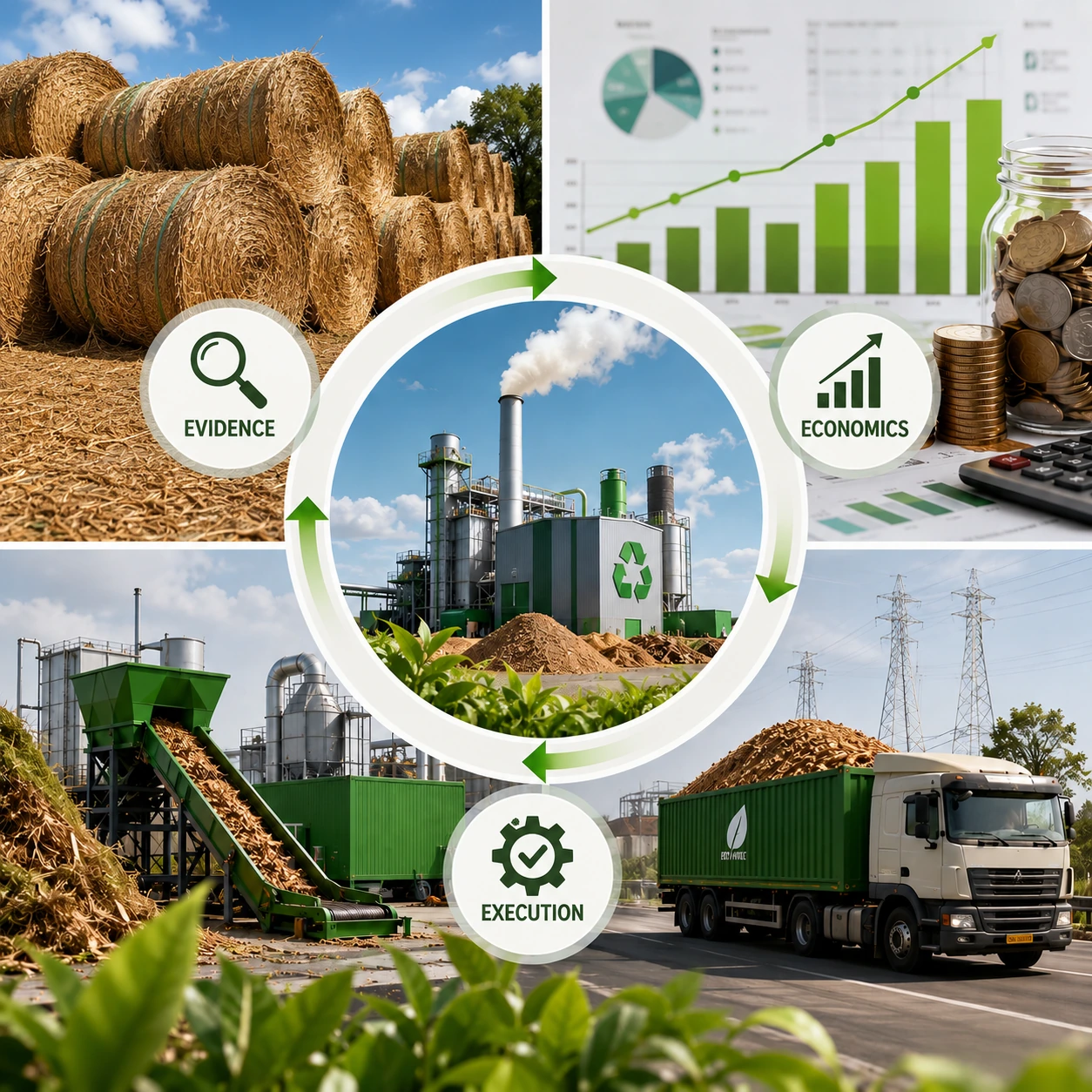
Strong biomass projects are rarely created by one good estimate. They become stronger when each critical decision is tested in the right order—so the next investment commitment is based on evidence instead of assumption.
Choose a site that supports logistics, utilities, storage, safety and future expansion.
Site readinessValidate real procurement quantity, seasonality, quality, price movement and collection practicality.
Resource confidenceMatch pellet or briquette quality, density and production basis to the actual market need.
Output-market alignmentIdentify who will buy, on what specifications, at which delivery point and under what commercial terms.
Commercial linkageTest project cost, operating margins, debt servicing and working-capital resilience before committing.
Capital disciplineControl vendor scope, approvals, implementation sequence and commissioning accountability.
Delivery controlUse a feasibility study when location, resource base, market or economics still need validation.
Feasibility Study →02Use a DPR once the concept is sufficiently validated and needs a structured implementation and financing document.
Detailed Project Report →03Use field intelligence when feedstock, suppliers, buyer demand, land or logistics need primary evidence.
Research & Field Intelligence →04Use financial modelling when funding structure, utilisation, price or raw-material assumptions need quantified testing.
Financial Modelling →05Use development support when quotations, utilities, interfaces, installation and commissioning decisions become critical.
Plant Development →06We can first diagnose the current project stage and define the smallest useful scope instead of selling an oversized assignment.
Request a scope review →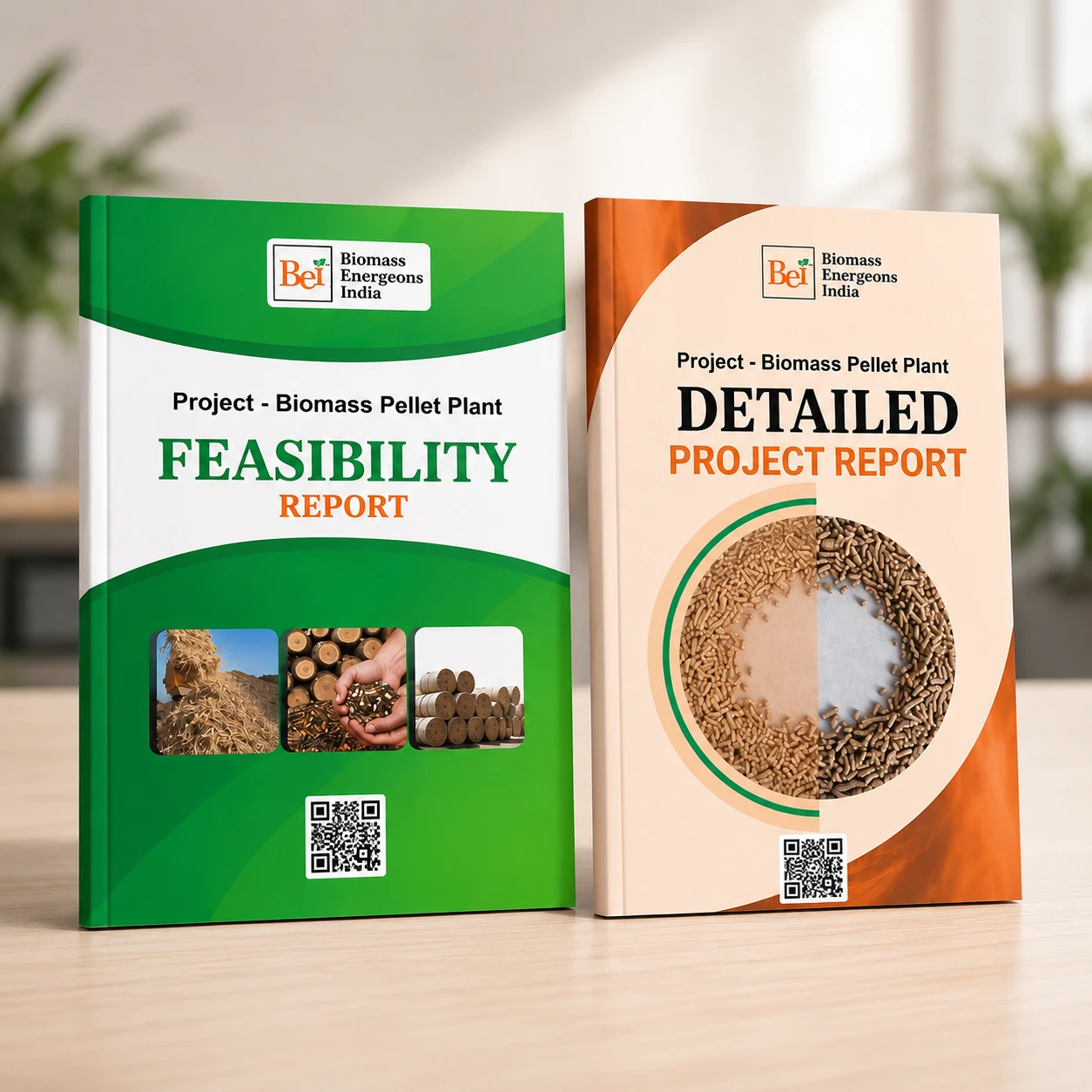
A useful engagement should leave the promoter with a documented basis for the next action: what has been verified, what remains uncertain, which assumptions drive the outcome and what must happen before the next commitment.
Define what the promoter needs to know now—not every possible deliverable.
Prioritise the field, commercial and technical facts that can change the decision.
Translate validated assumptions into plant configuration, project cost and economics.
Move to DPR, procurement or execution only after unresolved risks are visible.
Review published demand records by location, year and material without exposing confidential party details.
Track aggregate supplier reach, verified locations and reported supply capacity across the network.
Connect biomass availability with quality, logistics, process fit, buyer requirements and delivered economics.
Tell us the project location, current stage and the commitment you are preparing to make.